Soft & Fluffy Gluten-Free Discard Milk Bread
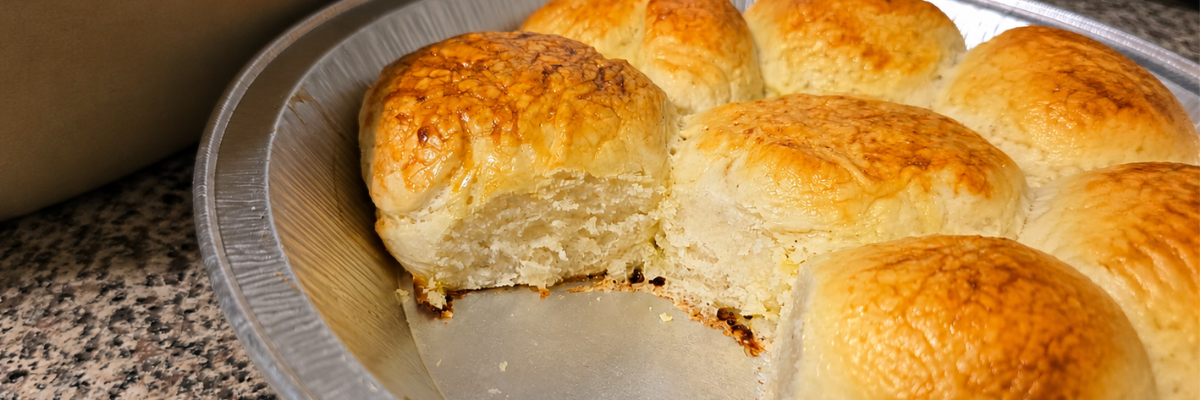
If you’ve been searching for a gluten-free bread recipe that actually feels soft, fluffy, and comforting like traditional homemade bread, this Gluten-Free Discard Milk Bread might become your new favorite recipe.
Made with gluten-free sourdough discard, heavy cream, whole milk, and gluten-free bread flour, this recipe creates beautifully golden pull-apart rolls and soft sandwich loaves with an airy crumb and rich flavor. Unlike many gluten-free breads that turn dry, dense, or crumbly, this dough bakes up tender, flexible, and incredibly soft.
Even better? This recipe is beginner-friendly and doesn’t require complicated techniques or special shaping skills.
Whether you’re trying to use up extra gluten-free sourdough discard or simply want a reliable gluten-free bread recipe that tastes like real bread again, this recipe delivers bakery-style results at home.
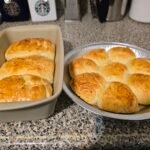
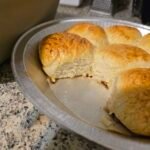
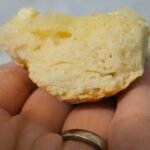
Why You’ll Love This Gluten-Free Milk Bread Recipe
- Soft and fluffy gluten-free texture
- Uses gluten-free sourdough discard
- Perfect for rolls or sandwich bread
- Rich flavor with a tender crumb
- Easy to make in a stand mixer
- Stays soft longer than many gluten-free breads
- Great for dinner rolls, sliders, sandwiches, or sweet rolls
What Makes This Recipe Work So Well?
One of the biggest challenges in gluten-free baking is replacing gluten itself.
Traditional bread relies on gluten to trap gas bubbles during fermentation, creating stretch, structure, and softness. Gluten-free dough doesn’t naturally behave that way, which is why many gluten-free breads end up crumbly or dense.
This recipe works because several ingredients and techniques work together to create softness, structure, and moisture retention.
Heavy Cream Adds Richness and Softness
Heavy cream contributes fat, protein, and moisture to the dough. This helps create a tender crumb while slowing down dryness and staling.
The result is bread that stays softer longer and has a rich, almost bakery-style texture.
Gluten-Free Sourdough Discard Improves Flavor and Texture
Even though active yeast does most of the rising in this recipe, the sourdough discard still contributes:
- better flavor
- improved moisture retention
- softer texture
- more depth and complexity
It helps the bread taste more like traditional homemade bread instead of just starch.
Specialized Gluten-Free Bread Flour Helps Build Structure
This recipe was tested using:
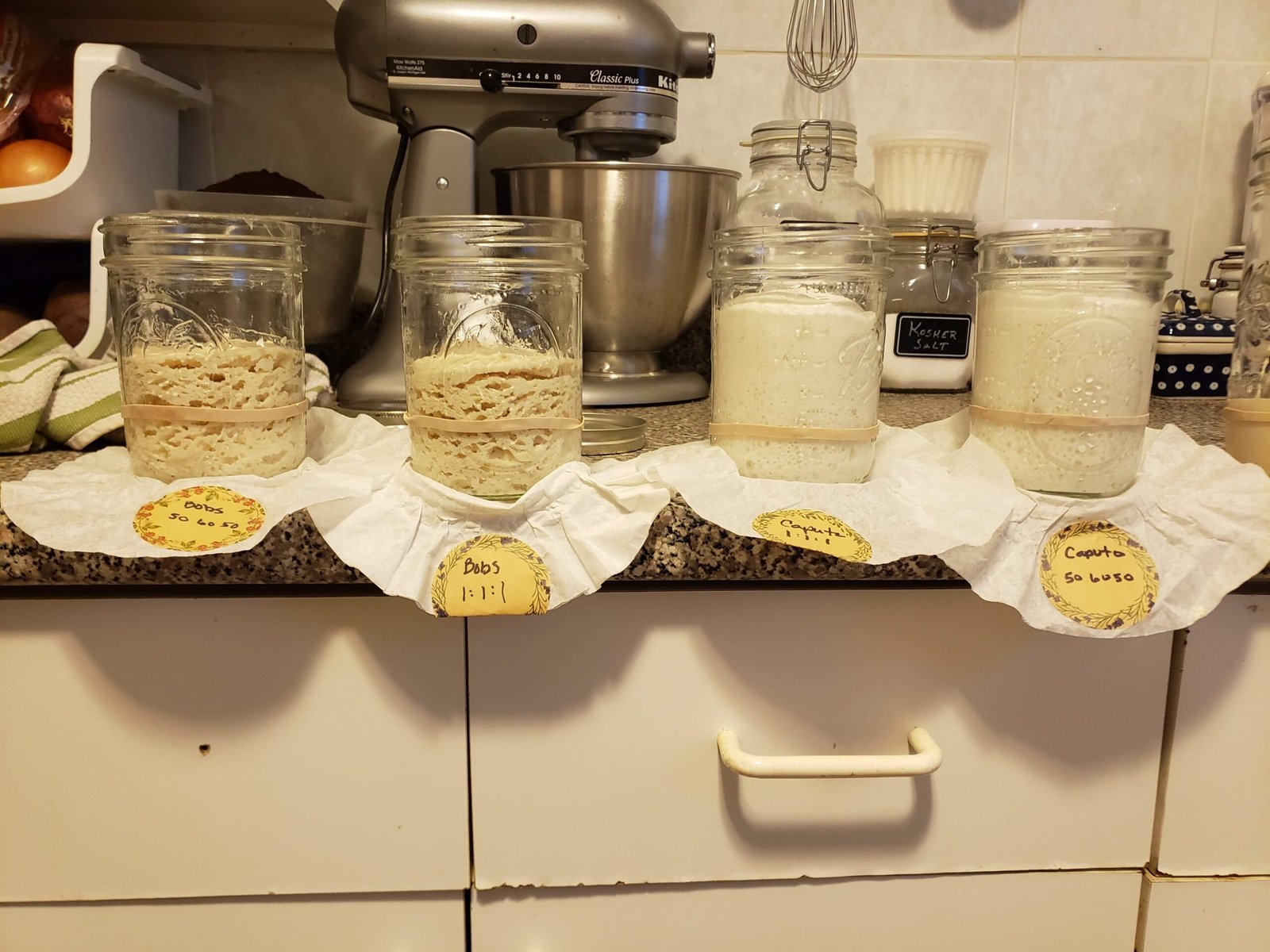
- Caputo Fioreglut
- King Arthur Gluten-Free Bread Flour
Both are designed specifically for gluten-free yeast breads and contain ingredients that help improve elasticity, structure, and gas retention.
That’s one reason these loaves rise so beautifully.
Longer Mixing Helps Hydrate the Dough
In gluten-free baking, mixing time matters more than many people realize.
Longer mixing allows the flour, starches, and binders to fully hydrate. This improves:
- smoothness
- elasticity
- gas retention
- overall texture
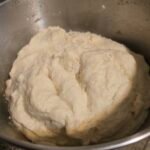
That’s why the dough transforms from sticky and rough into smooth, fluffy dough after several minutes of mixing.
What You’ll Need
The good news? Nothing overly complicated.
Ingredients
- Heavy cream
- Whole milk
- Gluten-free sourdough discard
- Sugar
- Gluten-free bread flour
- Egg
- Active dry yeast
- Baking powder
- Salt
Recommended Flours
This recipe has been tested with:
- Caputo Fioreglut
- King Arthur Gluten-Free Bread Flour
Other blends have not been tested yet.
Tools
- Damp towel for proofing
- Stand mixer with dough hook (highly recommended)
- Mixing bowl
- Loaf pans and/or round baking pans
- Kitchen scale for accuracy
Dough Texture Matters
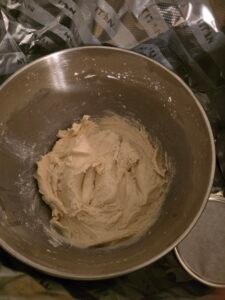
If you’re newer to gluten-free bread baking, the dough may feel softer or stickier than expected. That’s normal.
This dough should be:
- soft
- smooth
- tacky
- slightly sticky
But it should still begin pulling away from the upper sides of the bowl while mixing.
Avoid adding too much flour too quickly. Gluten-free dough often firms up as the flour fully hydrates during mixing and proofing.
Too much flour can turn soft milk bread into dense bread very quickly.
Proofing Tips
Warm temperatures make a huge difference with gluten-free yeast breads.
This dough proofs best around:
- 78–80°F
At that temperature, the dough becomes:
- fluffier
- lighter
- more active
- and rises more consistently
If your kitchen is cold, proofing may simply take longer.
The Best Part? The Texture.
The final texture is what makes this recipe so special.
The rolls:
- pull apart beautifully
- stay soft
- reheat well
- and don’t fall apart while eating
The loaf slices softly for sandwiches without crumbling into pieces.
And fresh from the oven? Absolutely incredible.
Especially with:
- butter
- honey
- cinnamon sugar
- jam
- or used for mini sliders
Final Thoughts
One of the things I love most about gluten-free sourdough baking is that it constantly reminds us that good things take patience. Sometimes we’ve spent so long eating disappointing gluten-free bread that we stop believing soft, fluffy bread is even possible anymore. But it is. And recipes like this are proof that gluten-free baking doesn’t have to mean settling for dry, dense, crumbly bread. You deserve bread that feels comforting again. And honestly? Warm milk bread fresh from the oven might be one of the best places to start.
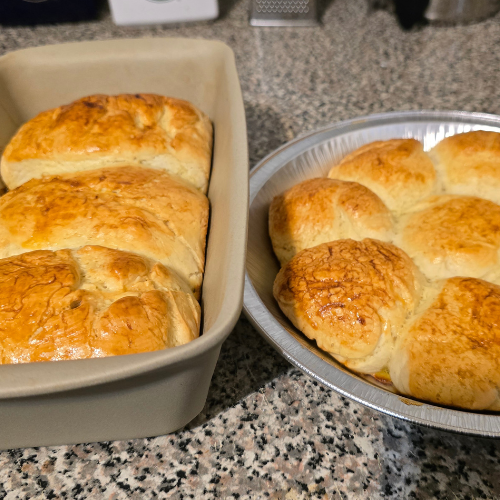
Soft & Fluffy Gluten-Free Discard Milk Bread (Rolls or Loaf) with Caputo Fioreglut
Ingredients
For Bread
- ⅔ cup heavy cream room temp
- ¾ cup whole milk room temp
- 100 g GF sourdough discard room temp – fresher is better
- ⅓ cup sugar
- 360 g Caputo Fioreglut (or 420g King Arthur 1:1)
- 1 lg egg room temp
- 1 Tbsp active yeast 1 tsp baking powder
- 1.5 tsp salt
Egg Wash
- 1 lg egg
- 1 tsp water
- 1 tsp simple syrup optional
Instructions
Optional: Bloom the Yeast
- Warm a small amount of the milk to 110°F.
- Add a pinch of sugar and the yeast.
- Stir and let sit for 5 minutes.
- If the mixture becomes foamy, the yeast is active and ready to use.
Make the Dough
- Fit a stand mixer with the dough hook attachment.
- Add all dough ingredients to the mixing bowl.
- Mix on the lowest speed until combined.
- Increase to speed 3 and mix for 10 minutes.
- This dough is very soft and slightly sticky. As it mixes, it should begin slightly pulling away from the upper sides of the bowl.
First Proof
- Cover the bowl with a damp towel.
- Place in a warm spot and let rise until doubled in size. (about 1.5 – 2 hrs)
- While the dough proofs, generously grease your baking pans with butter.
Shape the Dough
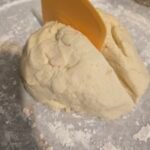
- Transfer the risen dough to a lightly floured surface. It will be VERY light and soft!
- Knead gently for about 1 minute.
- Cut the dough in half.
For Loaves
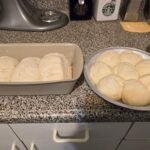
Shape each half into a smooth oval. Place into greased loaf pans. You can also create 3 pull apart mini loaves (like in the image) by further dividing into 3 equal portions and rolling into 3 small oval rolls and placing in your loaf panFor Rolls
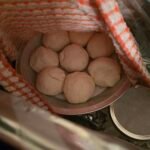
Divide each half into 8 equal portions. Gently shape into smooth balls. Arrange in greased baking dishes. 8 rolls fit nicely in a 9-inch round cake or pie pan. Or place all 16 rolls into a larger rectangular baking dish.Second Proof
- Cover again with a damp towel.
- Let rise for 1 hour in a warm spot (80℉)
Bake
- Preheat oven to 350°F.
- Mix together the egg wash ingredients and very gently brush over the risen dough.
- Bake on the middle rack for approximately 30 minutes, or until deeply golden brown.
Serve
- Remove from the oven and enjoy!
- These are especially delicious fresh from the oven with butter, honey, cinnamon sugar, or used for soft sandwiches and sliders. Would make delicious french toast!
Video
Notes
Helpful Notes
- Fresher sourdough discard gives the best rise and flavor.
- Dough texture should remain soft and slightly tacky — avoid adding too much flour.
- Caputo Fioreglut creates an especially stretchy, fluffy texture.
- The optional simple syrup in the egg wash helps create a glossy bakery-style finish.
- These rolls reheat beautifully and stay soft for days.
- They also freeze well!